
How Termites Get Into Your House
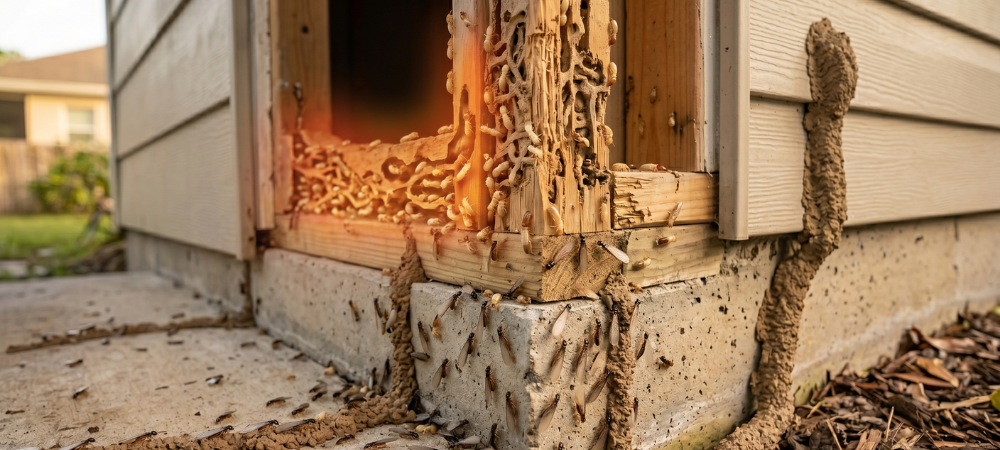
If you've ever spotted a pile of tiny wings near a windowsill or noticed a soft spot in your baseboard, you may have already had an unwanted encounter with termites. In Florida, this isn't a rare event. It's one of the most common and costly pest problems homeowners face. Understanding how termites actually get into your home is the first step to protecting it.
Why Central Florida Is Ground Zero for Termite Activity
Florida isn't just a hotspot for tourism. It's one of the worst states in the country for termite pressure. The combination of year-round warmth, high humidity, and frequent rainfall creates conditions that termites don't just tolerate; they thrive in them. Unlike homeowners in colder climates who get a seasonal break from pest activity, Central Florida residents deal with termite pressure every single month of the year.
A 2026 study from the University of Florida's Institute of Food and Agricultural Sciences (UF/IFAS) confirmed that two invasive species, the Formosan subterranean termite and the Asian subterranean termite, have significantly expanded their range throughout the state and show no signs of slowing down. Researchers project that by 2040, about half of all structures in Florida's major urban areas could be at risk from one or both of these species. That's not a distant threat. For homeowners in Orlando, Kissimmee, Lakeland, and surrounding communities, it's the reality right now.
The Two Main Types of Termites in Florida
Before discussing entry points, it helps to know which termites you're dealing with, because they get in differently.
Subterranean Termites (including the Formosan variety) live underground in massive colonies. They need moist soil to survive and travel up into structures through mud tubes, which are narrow tunnels they construct along foundations, pipes, and walls to stay protected from light and dry air. The Formosan subterranean termite is known in the pest control industry as the "super termite." A single colony can exceed two million workers, and queens can lay up to 1,000 eggs per day. The damage they can cause in just a few years is staggering.
Drywood Termites are different. They don't need soil contact at all and live entirely inside dry wood. They're harder to detect early because they don't build mud tubes. Instead, they leave behind tiny pellet-like droppings called frass and small kick-out holes in wood surfaces where they push waste out. By the time most homeowners notice these signs, the infestation is already well underway.
How Termites Actually Enter Your Home
Termites are small, patient, and relentless. They don't knock on the front door. They find the vulnerabilities in your home that you may not even know exist.
1. Foundation Cracks and Expansion Joints
Subterranean termites enter structures through some of the smallest openings imaginable. A crack in your slab foundation, an expansion joint, or a gap around where plumbing enters the structure is more than enough. In Florida, where the ground shifts with moisture changes and homes settle over time, these gaps are common, and termites exploit every one of them.
2. Wood-to-Soil Contact
This is one of the most frequent culprits. If any wood on or attached to your home is in direct contact with soil, including fence posts, deck supports, door frames, and wooden siding near the ground, you've essentially built a bridge for subterranean termites. They don't need to search for an entry point when you've given them a direct path.
3. Mulch Against the Foundation
Here's something many Central Florida homeowners don't consider: decorative mulch. Pine straw and wood-based mulch are common in Florida landscaping, but when piled up against the foundation of your home, they provide both food and moisture retention right at your most vulnerable entry points. This is a particularly common issue in newer construction neighborhoods throughout Orange, Osceola, and Polk counties.
4. Firewood and Lumber Stored Near the Home
Storing firewood or scrap lumber against or near your home is essentially setting out a welcome mat. Termites will colonize that wood first, then make the short journey into your structure. Keep any stored wood elevated and well away from the house.
5. Plumbing Penetrations and Utility Lines
Any place where pipes, conduit, or cables enter through your foundation or walls is a potential entry point. These penetrations are often not perfectly sealed, and even a small gap is enough for subterranean termites to squeeze through and begin accessing structural wood inside your walls.
6. Swarmers Through Windows, Doors, and Vents
Drywood termites often enter through the air. Each spring (typically March through May in Florida), winged reproductive termites called swarmers emerge from existing colonies to mate and establish new ones. They're attracted to light and can enter through window screens, attic vents, and any other small opening in your home's exterior. If you see a swarm of flying insects near your home, especially around dusk, treat it as a warning sign and contact a pest professional immediately.
7. Infested Wood and Materials Brought Into the Home
This one catches homeowners off guard. Bringing home used furniture, lumber, or even decorative wood pieces that are already infested can introduce drywood termites directly into your home, bypassing every external defense you have in place.
Warning Signs You May Already Have Termites
Because termites work from the inside out, infestations often progress significantly before homeowners spot visible damage. Watch for:
- Mud tubes running along your foundation, walls, or pipes. These are the highways subterranean termites build to travel.
- Frass (droppings) near baseboards, window sills, or door frames. Small pellets that look like sand or sawdust.
- Blistered or bubbling paint on walls, which can indicate moisture buildup from termite activity inside.
- Hollow-sounding wood when tapped, a sign termites have been feeding inside.
- Discarded wings near windowsills or doorways following a swarm.
- Tight-fitting doors or windows that weren't that way before. Termites produce moisture as they eat, which can cause wood to warp.
Prevention: What You Can Do Right Now
While professional treatment is the only true solution for an active infestation, there are steps every homeowner can take to reduce their risk:
- Fix leaks immediately: Leaky pipes, dripping AC condensation lines, and poor drainage all create moisture conditions that attract subterranean termites.
- Eliminate wood-to-soil contact: Check your home's exterior and remove any direct contact between wood and the ground.
- Move mulch away from the foundation: Keep a gap of at least 12 inches between mulch beds and your home's base.
- Seal entry points: Inspect your foundation, utility penetrations, and exterior walls for gaps and seal them with appropriate materials.
- Schedule annual termite inspections: In Florida, annual professional inspections aren't optional maintenance. They're essential. Termites can cause severe structural damage in as little as two years, and the damage is rarely covered by homeowners' insurance.
The Bottom Line
Termites in Florida aren't a question of if. They're a question of when and how prepared you are. These pests are silent, persistent, and expensive. The best thing you can do as a homeowner is understand how they get in, eliminate the conditions that invite them, and partner with a local pest control professional who knows the specific species active in your area.
If it's been more than a year since your last termite inspection, or if you've never had one, now is the time. Don't wait for visible damage to take action. Concerned about termites in your home? Contact us today for a free quote and get yourself a customized treatment plan.