Stinging Insect Control in Central Florida
A wasp nest near your front door, a yellowjacket colony in your eaves, or a swarm of honey bees that have taken up residence in your walls — stinging insects have a way of making certain parts of your home or yard completely unusable. And in Central Florida's warm climate, these pests are active for a significant portion of the year, building nests and defending their territory aggressively when disturbed.
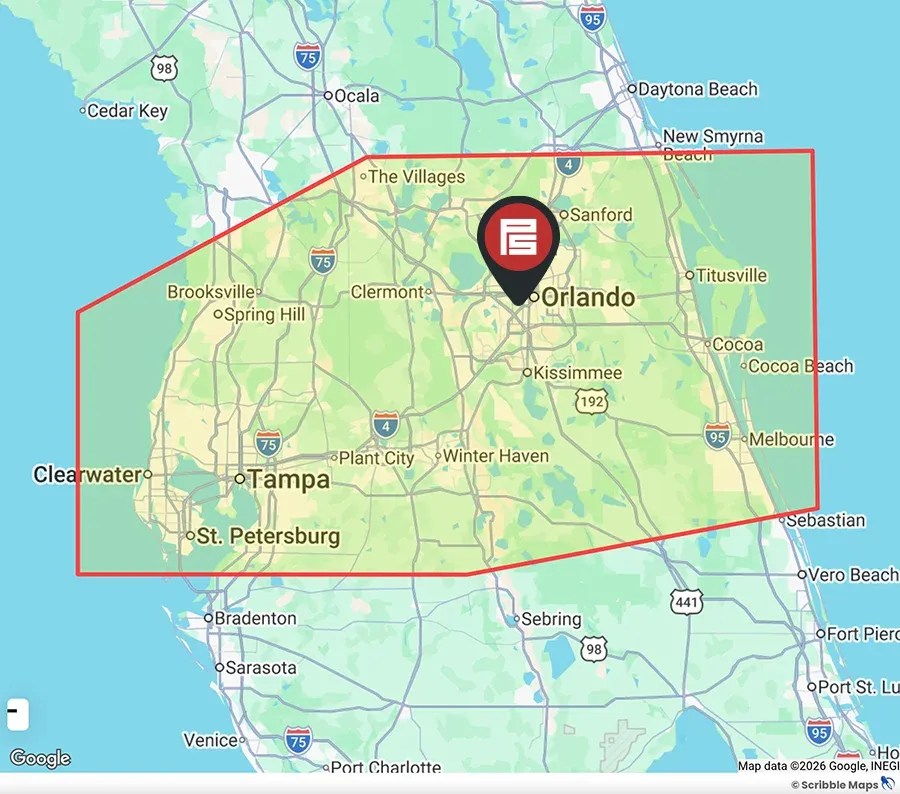
For most people, a sting is painful and annoying. For those with allergies, it can be a medical emergency. Either way, stinging insects aren't something you want to try to handle on your own. Pro Service Pest Solutions provides professional stinging insect control throughout the Orlando metro and across Central Florida, with treatment methods tailored to the species you're dealing with and a genuine commitment to doing things the right way, including working with a beekeeper for honey bee situations whenever removal is possible.
Learn More About Our Stinging Insect Control Services:
What to Expect
Stinging insect treatment isn't one size fits all. The approach we take depends on the species involved, where the nest is located, the size of the colony, and how accessible the nesting site is. Some nests are easy to spot and straightforward to treat. Others are tucked inside wall voids, buried underground, or hidden deep in an attic where getting to them takes a little more work. Whatever the situation, we come prepared. Here's how our process works:
- Identification and assessment: We identify the species and locate the nest or hive, including any that may be hidden inside wall voids, eaves, or underground. Knowing exactly what we're dealing with before treatment starts makes the whole process safer and more effective
- Treatment recommendation: Based on the species and the location of the nest, we'll walk you through the safest and most effective treatment approach. For honey bees, that conversation always starts with whether a beekeeper can be brought in for humane removal before we consider any other options
- Treatment application: Our technicians handle nest removal and treatment safely and thoroughly, using the appropriate products and protective equipment for the species and situation. We address the colony at its source rather than just treating the surface, which helps prevent the problem from recurring
- Structural considerations: For species like yellowjackets that nest inside wall voids, or carpenter bees that bore into wood, we'll flag any structural concerns we notice during treatment and let you know if there's anything that warrants further attention or repair
- Preventative guidance: We'll walk you through what conditions may be attracting stinging insects to your property, whether that's exposed wood, certain types of flowering plants, available water sources, or gaps in your roofline or siding, and what you can do to reduce the likelihood of them coming back
- Follow-up: If activity continues after the initial treatment, we'll come back out to make sure the problem is fully resolved. Stinging insect colonies can sometimes take a few days to fully clear out after treatment, and we want to make sure you're not left with a lingering issue
Your Satisfaction Is Guaranteed
We stand behind every treatment we perform. If pests return between your scheduled visits, or if anything about your service doesn't meet the standard we set, all you have to do is call. We'll get you back on the schedule, take another look, and keep working until the problem is handled.
If a visit doesn't meet the standard we set and stand by, we'll be more than happy to make it right. That might mean re-treating the problem areas or adjusting the approach. We come back until you're satisfied with the result; that's our make-it-right promise.
Common Stinging Insects in Central Florida
Central Florida is home to a wide variety of stinging insects, and knowing which one you're dealing with matters when it comes to treatment. Here's a breakdown of the most common species we handle:
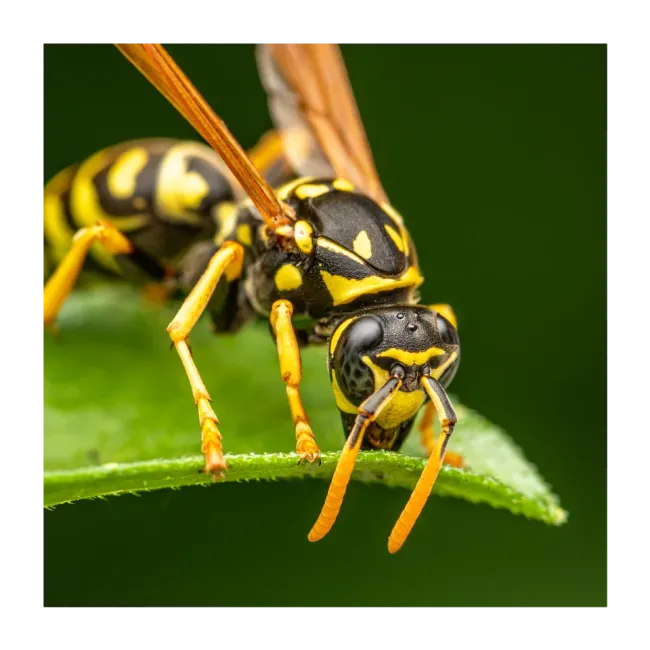
- Wasps and paper wasps: Among the most common stinging insects in the region, wasps build open, umbrella-shaped nests under eaves, in attics, and along fence lines. They can be aggressive when their nest is threatened and will sting repeatedly.
- Yellowjackets: Often mistaken for bees, yellowjackets are actually wasps and are known for being particularly aggressive. They frequently nest in the ground or inside wall voids, which makes them harder to locate and treat than above-ground nesters.
- Hornets: Bald-faced hornets build large, enclosed paper nests typically found in trees, shrubs, or on the sides of structures. They are highly defensive of their colony and should always be handled by a professional.
- Carpenter bees: Unlike social bees, carpenter bees are solitary and bore into untreated wood to create nesting galleries. Over time, this can cause significant structural damage to decks, eaves, and wooden siding.
- Bumble bees and honey bees: Both species are important pollinators, and we take their removal seriously. When honey bees are involved, we work with a beekeeper to relocate the colony whenever possible. Extermination is only considered as a last resort.
Frequently Asked Questions